Different Types of Braces
A beautiful smile doesn’t happen overnight—it often needs the right orthodontic treatment. Braces are one of the most effective ways to correct crooked teeth, gaps, and bite issues. Today, there are multiple types of braces available, each designed for different needs, comfort levels, and aesthetics.
Let’s break down the main types of braces so you can understand which one might be right for you.
1. Metal Braces (Traditional Braces)
Metal braces are the most common and oldest type of orthodontic treatment.
They are made of high-quality stainless steel brackets and wires that gradually move your teeth into the correct position.
Key Features:
Strong and highly effective
Suitable for all age groups
Best for complex dental issues
Most affordable option
Drawbacks:
Visible on teeth
May cause mild discomfort initially
Metal braces are still widely used because they deliver reliable and predictable results, especially for severe alignment problems.
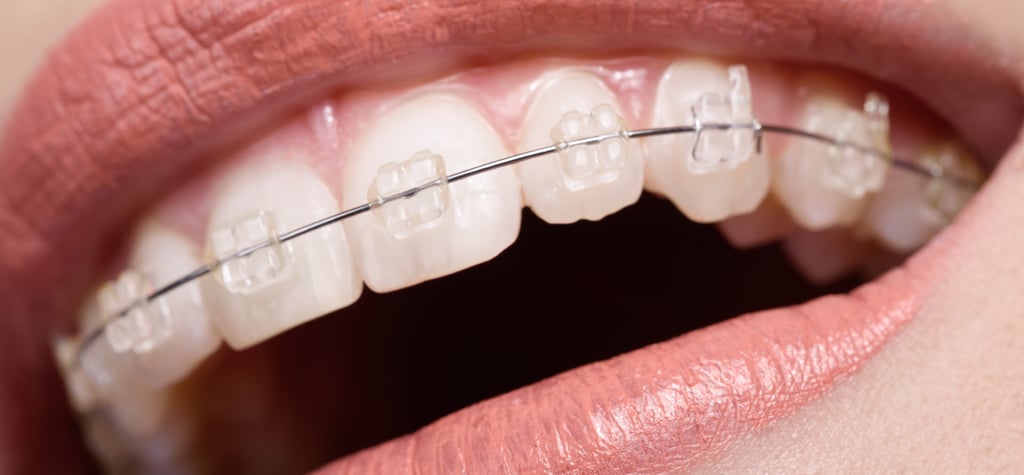
2. Ceramic Braces
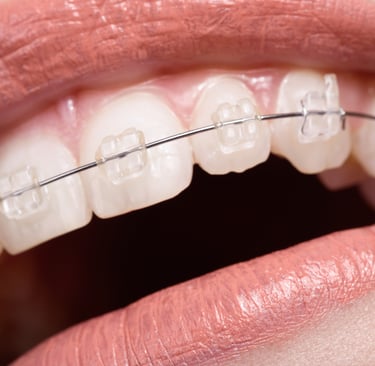
Ceramic braces work the same way as metal braces, but the brackets are made from tooth-colored or clear materials.
Key Features:
Less visible than metal braces
Blend with natural teeth color
Effective for moderate to severe cases
Drawbacks:
Slightly more expensive
Can stain if not cleaned properly
More fragile than metal braces
These are popular among adults and teens who want a more aesthetic option without compromising effectiveness.
3. Lingual Braces
Lingual braces are placed on the inner side of your teeth, making them completely invisible from the outside.
Key Features:
Hidden behind teeth (invisible from front)
Custom-made for each patient
Works like traditional braces
Drawbacks:
Can affect speech initially
Harder to clean
More expensive than other options
Lingual braces are a great choice for people who want full treatment without anyone noticing.
4. Clear Aligners (Invisible Braces)
Clear aligners are modern orthodontic trays made of transparent plastic. They are removable and replaced every few weeks as teeth shift.
Key Features:
Almost invisible
Removable (eat and brush easily)
Comfortable with no metal wires
Requires fewer dental visits
Drawbacks:
Not suitable for very complex cases
Must be worn 20–22 hours daily
Discipline is required for best results
Clear aligners are popular among professionals and adults who want a flexible, aesthetic solution.
5. Self-Ligating Braces
Self-ligating braces look similar to metal or ceramic braces but use a special clip instead of elastic bands to hold the wire.
Key Features:
Less friction on teeth
Faster treatment in some cases
Easier to clean than traditional braces
Fewer adjustment visits
Drawbacks:
Slightly more expensive
Still visible on teeth (if metal type)
These braces are known for more comfort and efficiency during treatment.
Which Braces Are Best?
The best type of braces depends on:
Severity of dental issue
Budget
Aesthetic preference
Lifestyle and discipline
A consultation with an orthodontist is the only way to know which option suits you best.
Final Thoughts
Braces are not just about straight teeth—they improve your bite, oral health, confidence, and overall smile aesthetics. Whether you choose traditional metal braces or modern invisible aligners, the end result is a healthier, more confident smile.
If you’re considering orthodontic treatment, take the first step by consulting a professional orthodontist and choosing the option that fits your lifestyle best.